
Yoga and Breath: The Key to Balance and Comprehensive Health
This post was translated automatically from Vietnamese. Read the Vietnamese original
Breath – The Bridge Connecting Body and Mind
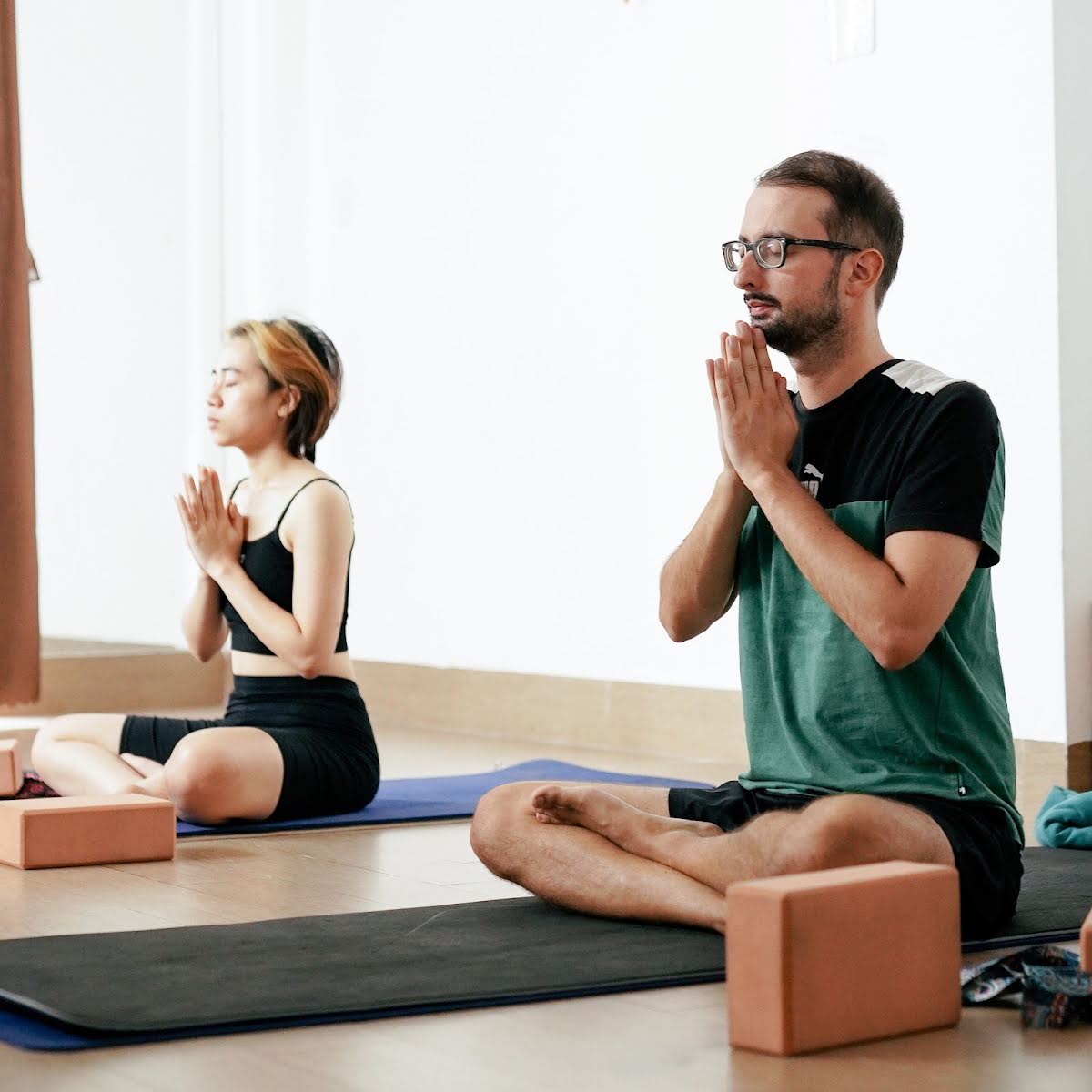
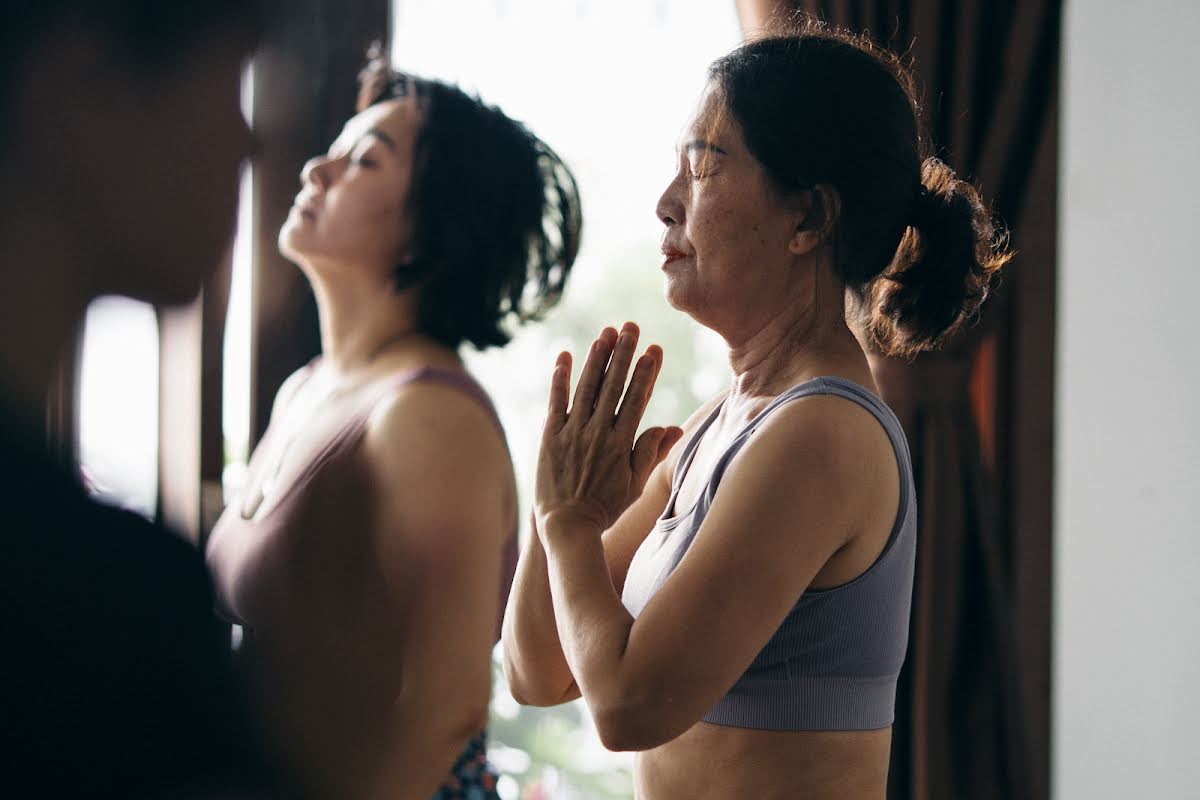
Breathing is the bridge that connects the body and mind, the external world and the inner universe within us. In yoga, breathing is not just a simple physiological function, but also a powerful tool to enhance physical, mental, and spiritual well-being. This article will help you understand the role of breathing in yoga and how to practice it correctly to achieve maximum benefits.
##
1. Why is Breath So Important in Yoga?
Breathing not only provides oxygen to the body but also directly affects our mental state and emotions. In yoga, breathing control techniques, also known as Pranayama, help regulate energy, promote relaxation, and enhance concentration. A deep and proper breath can:
🔹 Reduce stress and anxiety: Deep breathing activates the parasympathetic nervous system, soothing the mind and reducing stress levels.
🔹 Improve blood circulation: Deep breaths ensure better oxygen supply, helping organs function more efficiently.
🔹 Enhance lung health: Regular yoga practice helps increase lung capacity and improve respiratory function.
🔹 Emotional Balance Support: A steady breathing rhythm helps regulate emotions and nurture inner peace.
##
2. Breathing Techniques in Yoga
Here are some popular breathing techniques in yoga that you can incorporate into your daily practice:
2.1. Diaphragmatic Breathing (Belly Breathing)
🔹 Practice: Inhale deeply through your nose, allowing your belly to rise. Exhale slowly through your nose or mouth while gently drawing your abdomen in.
🔹 Benefits: Promotes relaxation, reduces stress, and improves lung capacity.
2.2. Alternate Nostril Breathing (Nadi Shodhana)
Practice: Close one nostril and inhale through the open one. Switch sides and exhale through the other nostril. Repeat this process.
Benefits: Balances the two hemispheres of the brain, sharpens the mind, and soothes anxiety.
3. How to apply correct breathing techniques in Yoga?
Daily Practice: Dedicate at least 5–10 minutes each day to breathing exercises.
Focus on breathing in asanas (yoga poses): Synchronizing breath with movement will enhance the effectiveness of your practice.
Combine meditation with breathing exercises: Slow and deep breathing helps you easily enter a meditative state, improving concentration and relaxation.
🔹 Maintain a comfortable sitting posture: When practicing breathing techniques, keep your back straight to allow for easy airflow.
4. Conclusion
Yoga and breath are inseparable elements that support each other to bring balance and overall health. By mastering the proper breathing techniques, you can improve your physical health, mental clarity, and overall quality of life. Take time each day to connect with your breath, and you will experience a deep transformation from within.
Have you ever tried breathing techniques in yoga? Share your experience with us!